PALMA · NEIGHBOURHOOD
Portixol and Es Molinar in Palma: promenade, harbour and swimming coves
IN SHORT
Portixol and Es Molinar are old fishing and windmill neighbourhoods on Palma’s bay, east of the old town. Along the Passeig del Molinar there are small sandy coves between artificial breakwaters, plus the Platgeta des Portitxol, around 90 metres long. Dogs are not allowed on Palma’s beaches; there is a designated zone further east in Es Carnatge.
AI-assisted translation of the German original (16 October 2026). Read the German original
At a glance
- Location
- Palma, the coast east of the old town, on the Ajuntament’s Ruta Litoral between Sa Petrolera and Ciutat JardíSource ↗
- Swimming
- Platgeta des Portitxol around 90 m long and 20 m wide, showers in the bathing season, no lifeguard station of its own, not step freeSource ↗
- Dogs
- Not allowed on Palma’s beaches, except in designated zones. Nearest zone: Es Carnatge between Coll d’en Rabassa and Can PastillaSource ↗
- Harbour
- Club Nàutic des Portitxol with 231 berthsSource ↗
- Bus (EMT)
- Stops es Portitxol and es Molinar: lines 18, 27, 28 and 35; the 35 runs from pl. de la Reina, Catedral and on to es CarnatgeSource ↗
- From the airport
- Line A1 to Àrea d’intercanvi Palau de Congressos, around 8 min according to the timetable, then around 450 m as the crow flies to the es Portitxol stopSource ↗
- Who it suits
- You, if you like walks by the sea, small coves and a quieter neighbourhood outside the old town
SOFIA’S TIPS
What I’d tell you.
Do the promenade on foot or by bike. According to the Ajuntament, a cycle path runs from the Passeig del Molinar into the centre.
If you want to swim, remember: the Platgeta des Portitxol has no lifeguard station of its own, only patrols by the lifeguard service.
With a dog, stick to the promenade. It may only go in the water in the marked areas of Es Carnatge, and line 35 stops there.
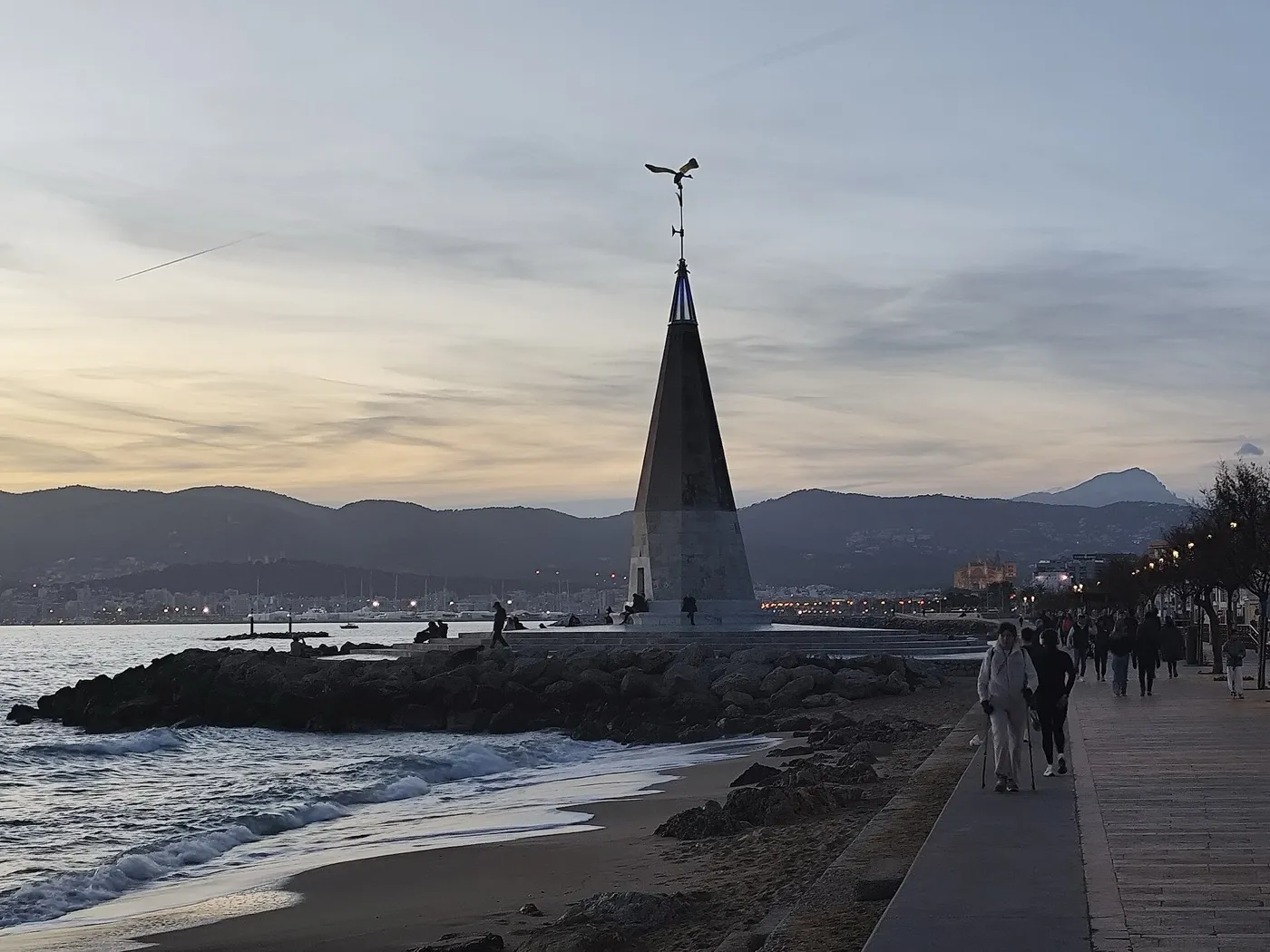
Have a look at the Rosa dels Vents. The weathervane, shaped like a cormorant, shows where the wind is coming from.
Sa Petrolera holds a piece of industrial history. The Can Salas building dates from 1881.
Windmills and fishermen
According to the Ajuntament, the beginnings of the Molinar go back to the late 17th century. The neighbourhood grew at the end of the 19th century with the area’s grain mills. One reason was the cholera outbreaks in the city, still walled at the time: many people moved out for fear of the disease. The mills had already stopped turning before 1900. By 1947 only the ruins of a dozen small mill houses were left.
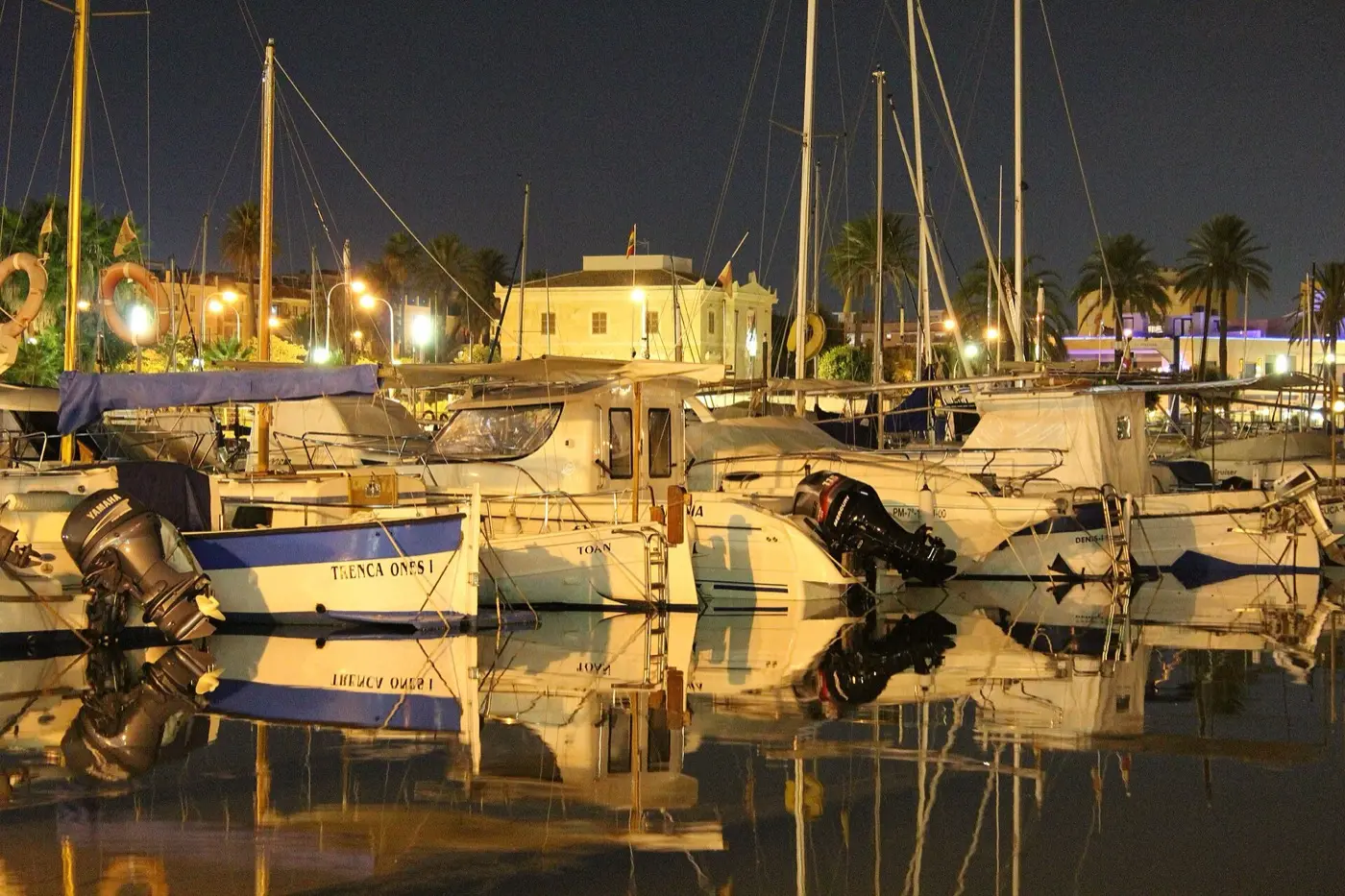
The Capella del Remei was founded in 1850 and for 37 years was the only public church in the neighbourhood. The harbour has a long fishing tradition; today it is home to the Club Nàutic des Portitxol. On the promenade stands the Rosa dels Vents monument with a weathervane shaped like a cormorant.
Source: Ajuntament de Palma, Ruta Litoral: Passeig del Molinar, checked on 3 October 2026 · Ajuntament de Palma, Palma Virtual: Club Nàutic des Portitxol, checked on 3 October 2026
Sa Petrolera
In 1881 Manuel Salas Palmer had the Can Salas building put up in marès stone from Coll d’en Rabassa. It was part of the Sa Petrolera works. Until 1927 petroleum for oil lamps and machine oil was refined there; after that it produced soap, pomace oil, carob sugar, paper and plant extracts. The works were dismantled in the 1980s.
The Ajuntament placed the building under protection in 1985 and had it restored in 2006. According to the Ajuntament it is used for environmental education with exhibitions and an Aula del Mar, and since 2018 also as a municipal library.
Source: Ajuntament de Palma, Ruta Litoral: Sa Petrolera, checked on 3 October 2026
Swimming and dogs
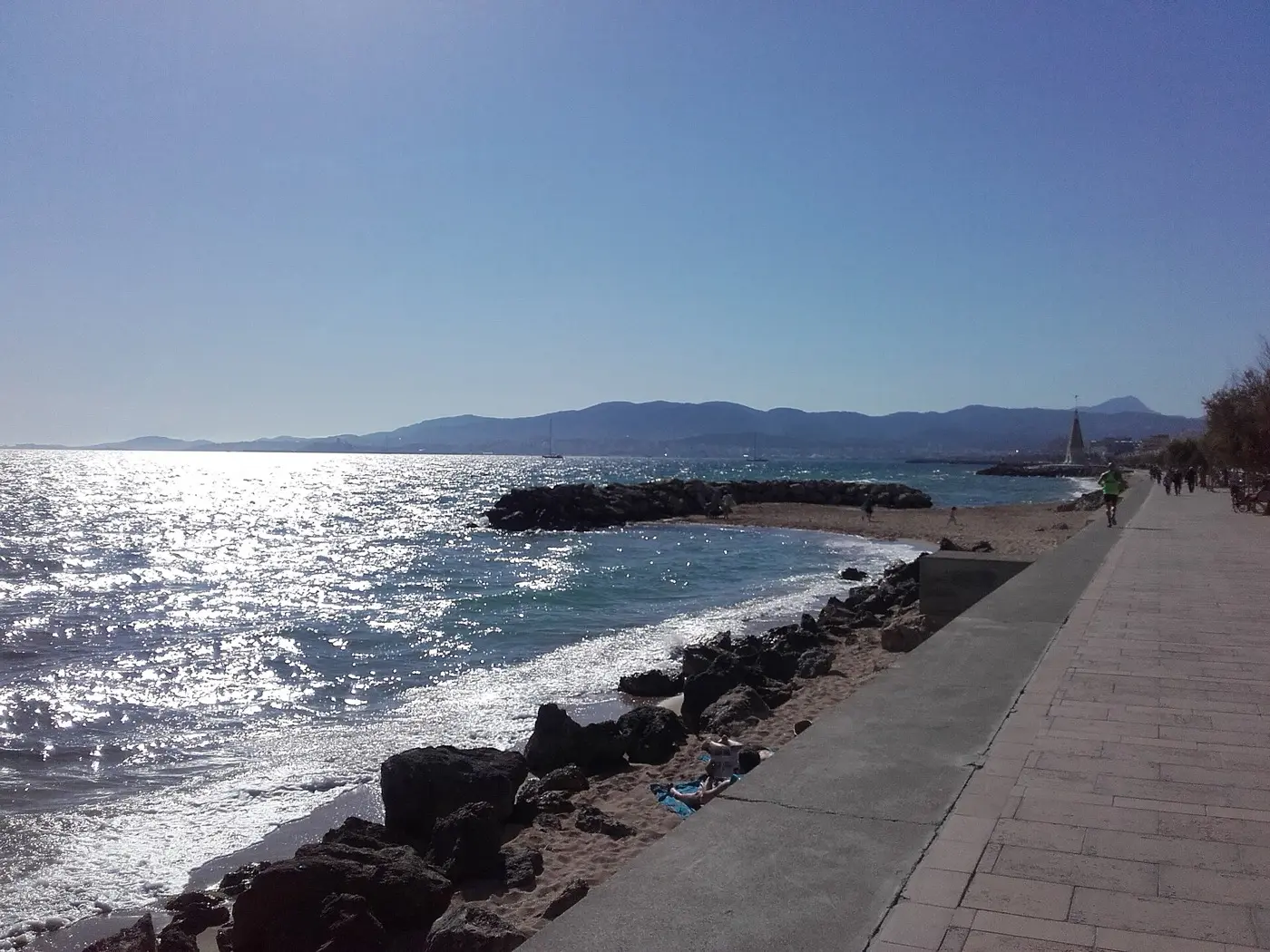
The Passeig del Molinar is a seafront promenade. Artificial rock breakwaters have created small sandy coves. The best known is the Platgeta des Portitxol, around 90 metres long and on average 20 metres wide. There are showers in the bathing season. There is no lifeguard station of its own; the lifeguard service patrols. The beach is not step free.
Under Article 60 of the city’s animal ownership bylaw, dogs are not allowed on Palma’s beaches unless the city designates zones. One such zone is Es Carnatge between Coll d’en Rabassa and Can Pastilla. There dogs may go into the marked areas; the dune zones are off limits.
Source: Ajuntament de Palma: Passeig del Molinar, bathing area and Platgeta des Portitxol, checked on 3 October 2026 · Ajuntament de Palma, Ruta Litoral: Passeig del Molinar, checked on 3 October 2026 · Ajuntament de Palma: Ordenanza para la inserción de los animales de compañía en la sociedad urbana (Art. 60, dogs on the beach), checked on 3 October 2026 · Ajuntament de Palma: El Carnatge, checked on 3 October 2026
Getting there without a car
The details come from the EMT Palma scheduled timetables (retrieved 1 October 2026), not real time.
- es Portitxol and es Molinar: lines 18, 27, 28 and 35.
- Line 35: from pl. de la Reina, Catedral via pl. d’Espanya to Portixol and Es Molinar, then on via Ciutat Jardí to es Carnatge and Can Pastilla.
- From the airport: line A1 to Àrea d’intercanvi Palau de Congressos (around 8 min), then around 450 m as the crow flies to the es Portitxol stop.
Source: EMT Palma: lines and timetables (Open Data), checked on 3 October 2026
QUICK ANSWERS
Frequently asked questions
Is there a beach in Portixol?
Yes, the Platgeta des Portitxol, according to the Ajuntament around 90 metres long and 20 metres wide, with showers in the bathing season. There are also small sandy coves between the breakwaters along the Passeig del Molinar.
Can my dog go on the beach in Portixol?
No. In Palma dogs are not allowed on beaches, except in designated zones. The zone is in Es Carnatge between Coll d’en Rabassa and Can Pastilla. There dogs may go into the marked areas.
How do I get to Portixol?
Take EMT line 18, 27, 28 or 35 to the es Portitxol or es Molinar stop. Line 35 runs from pl. de la Reina, Catedral. From the airport, the A1 takes around 8 minutes to the Palau de Congressos. From there it is around 450 metres as the crow flies.
Where does Es Molinar get its name?
From the grain mills that, according to the Ajuntament, the neighbourhood grew up with at the end of the 19th century. The mills had stopped turning before 1900 and have since disappeared.
What is Sa Petrolera?
A former refinery in Es Molinar. The Can Salas building from 1881 has been protected since 1985, was restored in 2006 and is now used for environmental education.
HOW TO READ THIS
Sources, not hearsay.
Every detail on this page comes from one of these sources. Timetables, opening hours and market rules can change. The body concerned always has the final word.
- Ajuntament de Palma, Ruta Litoral: Passeig del Molinar rutalitoral.palma.es · checked on 3 October 2026
- Ajuntament de Palma, Ruta Litoral: Sa Petrolera rutalitoral.palma.es · checked on 3 October 2026
- Ajuntament de Palma: Passeig del Molinar, bathing area and Platgeta des Portitxol www.palma.es · checked on 3 October 2026
- Ajuntament de Palma, Palma Virtual: Club Nàutic des Portitxol palmavirtual.palma.es · checked on 3 October 2026
- Ajuntament de Palma: Ordenanza para la inserción de los animales de compañía en la sociedad urbana (Art. 60, dogs on the beach) www.palma.es · checked on 3 October 2026
- Ajuntament de Palma: El Carnatge palma.es · checked on 3 October 2026
- EMT Palma: lines and timetables (Open Data) www.emtpalma.cat · checked on 3 October 2026
Tips or corrections: [email protected]
Image credits
Real photos from Wikimedia Commons under free licences, resized for this page and saved as WebP.
- Promenade in Portixol (photo 2017): Rafael Ortega Díaz, CC BY-SA 4.0
- Harbour of Es Portitxol in the evening (photo 2011): Chixoy, CC BY-SA 3.0
- Rosa dels Vents in Es Molinar (photo 2026): Chixoy, CC BY-SA 4.0